How To Compare Refill Packs With Full Size Household Products
A practical step-by-step guide to how to compare refill packs with full size household products, including preparation, instructions, common issues, tips, and next steps.
How To Compare Refill Packs With Full Size Household Products
This guide provides a comprehensive method for comparing household product refill packs with their full-size counterparts. By following these steps, you can accurately assess cost-effectiveness through unit pricing, evaluate environmental impact by comparing packaging, and ensure product quality and convenience, enabling you to make informed purchasing decisions that align with your budget and sustainability goals.
Fast Answer
- To find the best value, calculate the price per unit (e.g., per ounce, per gram, or per load) for both the full-size product and the refill. The lower unit price is the more economical choice.
- Always check if the refill is a concentrate. A concentrated refill may seem more expensive but can produce a much larger volume of the final product, significantly altering the cost comparison.
Before You Start
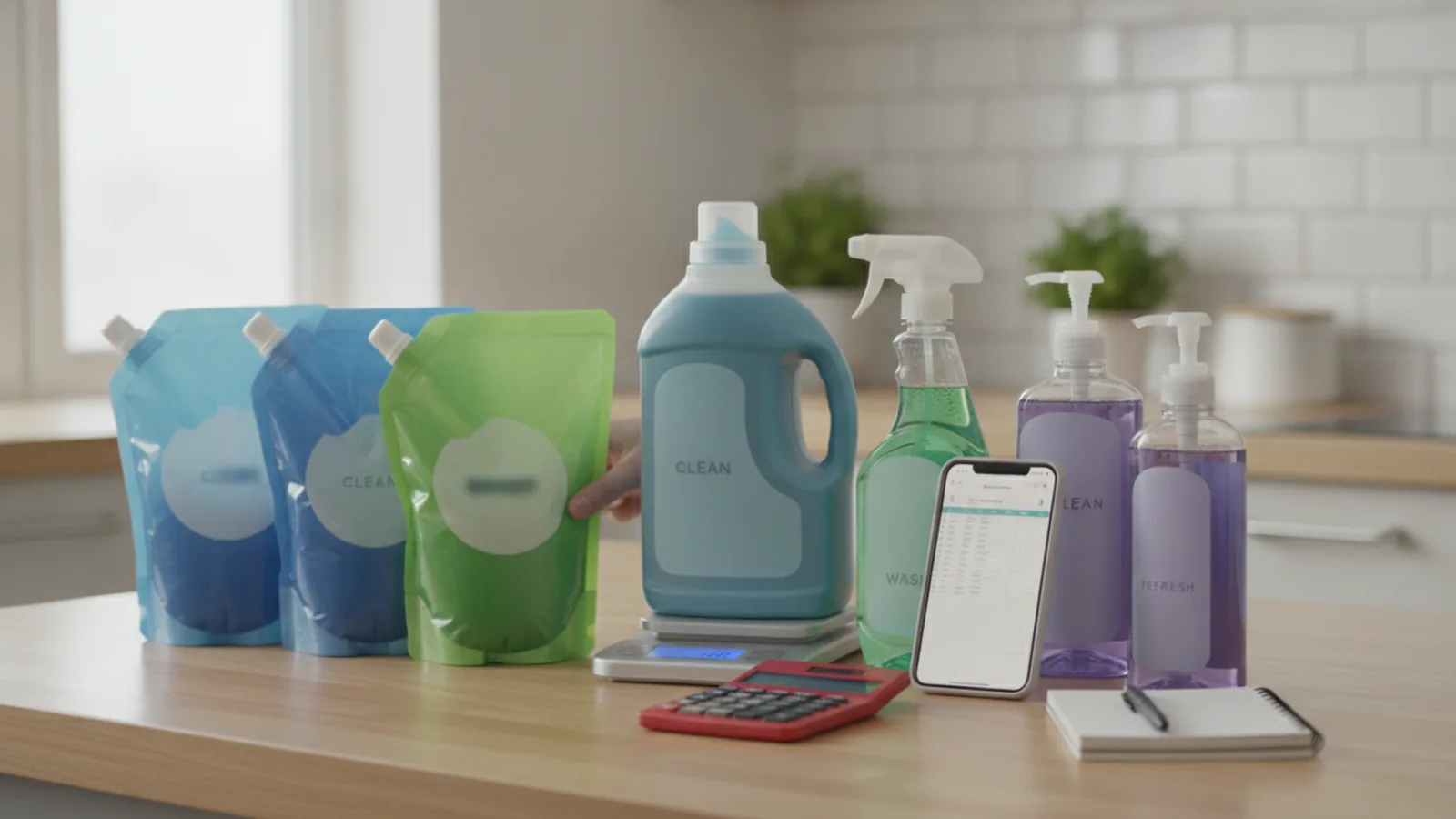
- Gather the full-size product and the refill pack you wish to compare. Place them side-by-side on a clear surface.
- Have a calculator or a smartphone with a calculator app ready for computing the unit prices of each item.
- Find a notepad and pen or a digital notes app to jot down prices, volumes, and your calculations for an easy comparison.
- Ensure you have good lighting to easily read the fine print on the labels, including volume, weight, and ingredient lists.
Step-by-Step Instructions
Calculate the Unit Price of Each Product
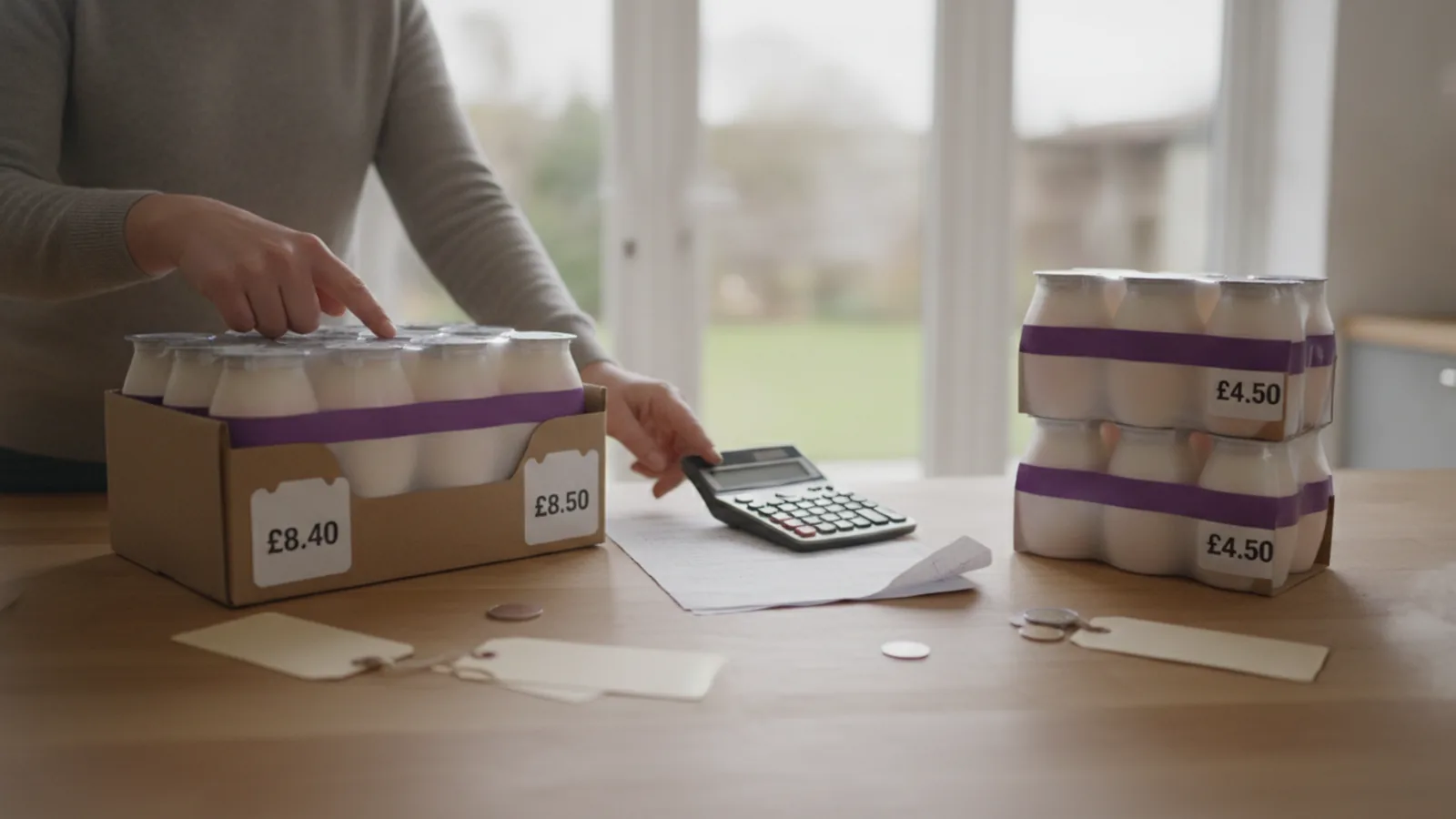
The most fundamental step in comparing a refill to a full-size product is to determine the unit price. Begin by locating the total price and the net contents on both packages. The contents might be measured in volume (ounces or milliliters), weight (pounds or grams), or by count (such as laundry loads or dishwasher pods). Once you have these two figures for each item, use your calculator to divide the total price by the quantity. For example, if a product costs a certain amount and contains 50 ounces, you would divide the price by 50 to get the cost per ounce. Perform this exact calculation for both the full-size container and the refill pack. This method provides a standardized, direct comparison of cost-effectiveness, removing the guesswork often caused by different package sizes and shapes. As a practical check, write down both unit prices next to each other to clearly see which offers more product for your money. This check is crucial because it ensures your decision is based on objective data rather than packaging appeal or perceived size.
Evaluate Volume and Product Concentration
Beyond the basic volume listed on the front, you must investigate whether the refill is a concentrate. Manufacturers often use this strategy to reduce packaging and shipping weight. Carefully read the label on the refill pack for terms like 'concentrated,' '2x,' 'makes X gallons,' or instructions that require you to add water. If the refill is concentrated, you cannot compare its volume directly to the ready-to-use full-size product. Instead, you must calculate the final, diluted volume the refill will produce. For instance, if a 10-ounce concentrate makes 40 ounces of cleaning solution, you must use 40 ounces as the quantity in your unit price calculation. This adjusted calculation reveals the true cost of the product you will actually use. To check your understanding, re-read the preparation instructions on the refill. If water is the first ingredient you are told to add to the reusable bottle, it confirms you are working with a concentrate. This check is vital for an accurate cost analysis, as overlooking concentration can lead you to incorrectly believe a refill is more expensive than it truly is.
Assess the Reduction in Packaging Waste
A primary motivation for choosing refills is to reduce environmental impact, which requires an assessment of the packaging itself. Hold the full-size container in one hand and the refill in the other. The full-size product typically consists of a rigid plastic bottle, often with a complex pump, sprayer, or cap made from multiple materials. The refill is usually a lightweight, flexible pouch or a simple cardboard carton. Consider the total amount of material used for each. The refill pouch uses significantly less plastic than a rigid bottle and weighs less, reducing transportation emissions. Further, note the types of materials and their recyclability. Check both packages for recycling symbols and numbers to understand their disposal requirements in your local area. Some flexible pouches are not recyclable curbside, which is an important consideration. As a check, physically weigh both the empty full-size container and the empty refill packaging if possible. This provides a tangible measure of the material savings. This check matters because it quantifies the environmental benefit, helping you make a choice that aligns with sustainability goals beyond just saving money.
Consider Storage Space and Refilling Convenience
Practicality is a key factor in whether a refill system will work for you. First, evaluate the storage space required. While a single refill pouch takes up less room than a full-size bottle, you might buy them in bulk to maximize savings. Consider where you will store these extra pouches and whether they are more space-efficient in your cupboards than stacking rigid bottles. Next, analyze the convenience of the refilling process itself. Examine the refill package's spout or opening. Is it designed for a clean pour, or does it look like it could easily lead to spills? A messy transfer can cause product waste and frustration, negating some of the benefits. Remember that you must keep the original dispenser bottle, which needs to be stored somewhere accessible. As a simple check, handle the refill pouch and simulate the pouring action. See if it feels easy to control and if the opening seems well-designed. This check is important because a system that is difficult to store or messy to use is less likely to be adopted as a long-term habit in your household.
Check for Differences in Product Formulation
It is a mistake to assume that the product inside a refill pack is always identical to the one in the original full-size container. Manufacturers may occasionally alter formulations for various reasons, including cost or stability in a different packaging format. To verify this, place both packages side-by-side and carefully compare their ingredient lists. Look for any changes in the listed ingredients or their order, as this indicates their concentration. Pay special attention to the active ingredients, which determine the product's effectiveness, as well as any dyes, fragrances, or preservatives. Even a small change could affect performance or cause a skin reaction if it's a personal care product. After your first refill, perform a practical check by using the product as you normally would. Observe if its efficacy, scent, color, and texture are consistent with what you expect from the original. This real-world test is crucial because it confirms you are not sacrificing the quality and performance you rely on for the sake of reduced packaging or a lower price.
Determine the Long-Term Durability of the Dispenser
The refill economy is built on the premise of reusing the original container multiple times. Therefore, the durability of this dispenser is critical to the overall value. Before committing to a specific product's refill system, thoroughly inspect the full-size bottle you will be reusing. Examine its key components: if it's a spray bottle, check the trigger and nozzle for sturdiness. For pumps, press down several times to feel for a smooth, consistent action. For simple caps, check the threads to ensure they seal tightly without leaking or stripping. Look for any stress marks, thin spots, or cracks in the plastic, especially around the base and neck. A flimsy dispenser that breaks after only one or two refills will negate your savings and create more waste. As a check, fill the bottle with water and operate the dispenser vigorously to test its function and look for leaks. This check is important because it helps you predict whether the container is robust enough to last, ensuring your investment in refills pays off over the long term.
Quick Reference
| Situation | Action | Why it helps |
|---|---|---|
| The original dispenser bottle breaks. | Check if the manufacturer sells an empty, durable 'for life' bottle, or find a generic glass or high-quality plastic dispenser that the refill can be transferred into. | This avoids having to buy another full-size product just for the container, preserving the cost and waste-reduction benefits of using refills. |
| A refill is a concentrate, but the instructions are unclear. | Visit the product's official website or contact their customer service to find the correct dilution ratio. Do not guess, as this will lead to an ineffective or overly potent solution. | Using the correct ratio is essential for the product's intended performance and safety, ensuring you get the value and results you paid for. |
| You cannot find the unit price listed on the shelf. | Use your phone's calculator. Find the total price and the total volume, weight, or count on the package. Divide the price by the quantity to calculate the unit price yourself. | Calculating the unit price is the only reliable way to compare the true cost of different package sizes, empowering you to make a financially sound decision. |
Common Issues
- The refill process is messy and causes spills.: Use a funnel to guide the liquid from the pouch into the bottle. Pour slowly and steadily in a sink or over a towel to contain any potential drips or overflows.
- The refilled product seems weaker or diluted.: First, ensure you followed the dilution instructions correctly if it was a concentrate. If it's a ready-to-use product, it may have settled. Gently shake the refill pouch before pouring.
- The refill pouch is difficult to store after opening.: If the pouch has a screw-on cap, ensure it is tightened securely. If it's a tear-open pouch without a seal, use a sturdy binder clip or bag clip to fold and secure the opening to prevent leaks.
Advanced Tips
- Look for brands that offer subscription services for refills, as this can sometimes provide an additional discount and the convenience of automatic delivery.
- Consider the entire product lifecycle, including the transportation emissions. Lighter refill pouches are often more efficient to ship than heavy, water-filled bottles.
- For simple products like hand soap or all-purpose cleaner, investigate making your own refills from bulk ingredients or tablets that dissolve in water for maximum savings.
Final Checklist
- Have you calculated and compared the unit price for both items?
- Did you confirm if the refill is a concentrate and adjust calculations?
- Have you inspected the quality and durability of the reusable container?
- Did you compare the ingredient lists for any formulation changes?
FAQ
Are refill packs always the cheaper option?
Not always. While refills typically offer a lower unit price, this is not a universal rule. Store sales on the full-size product or different pricing strategies can sometimes make the traditional bottle a better deal. It is essential to always calculate the unit price to be certain.
Can I use a refill in a different brand's container?
Generally, yes, if the product is similar (e.g., hand soap into a generic soap dispenser). However, for cleaning systems with specific chemical interactions or bottles designed for precise dilution, it is best to stick with the manufacturer's matched pair to ensure proper performance and safety.
Do product refills have a shorter shelf life?
The shelf life is usually comparable to the full-size product, as they are manufactured with preservatives. However, the flexible pouch packaging may be slightly more susceptible to damage. Always check for an expiration date on the package and store it in a cool, dark place before use.