How To Compare Reusable Gift Wrapping Materials
A practical step-by-step guide to how to compare reusable gift wrapping materials, including preparation, instructions, common issues, tips, and next steps.
How To Compare Reusable Gift Wrapping Materials
This guide provides a comprehensive method for comparing different reusable gift wrapping materials. It focuses on evaluating key factors such as material durability, versatility for various gift sizes, ease of use, aesthetic appeal, storage needs, and end-of-life sustainability to help you build a practical and beautiful collection.
Fast Answer
- Prioritize material durability and washability by choosing sturdy, low-maintenance fabrics like cotton or linen that can withstand repeated use and cleaning.
- Evaluate versatility by selecting a few different sizes of wraps that can accommodate the range of gifts you most commonly give, from small items to larger boxes.
Before You Start
- Measure the dimensions of a few boxes that represent the typical sizes of gifts you give.
- Assess your available storage space, such as a specific drawer or bin, for the wrapping materials.
- Make a list of the main occasions you give gifts for, such as birthdays, holidays, or anniversaries.
- Gather samples or view detailed online images of the materials you are considering, like fabric wraps or gift bags.
Step-by-Step Instructions
Assess Material Durability and Washability
Systematically examine the physical properties of each material you are considering. Start with fabrics like cotton, linen, silk, or synthetics. Hold the fabric up to a light source to assess the tightness of the weave; a denser weave often indicates better quality and opacity. Feel the texture and thickness of the material between your fingers. Gently pull at the edges to check for fraying or stretching, which can signal lower durability. Before making a decision, locate and read the care instructions tag or product description for washing and drying guidelines. The check is confirming whether the material is machine washable and can be tumble dried or if it requires more delicate hand-washing and air-drying. This check is crucial because the primary benefit of reusable wrap is its longevity. A material that is difficult to clean or that degrades quickly after a few washes will not be practical for long-term use, defeating its purpose and leading to replacement costs and waste.
Evaluate Versatility for Different Gift Sizes
Evaluate how well different sizes of reusable wraps accommodate the gifts you typically give. Begin by gathering a few common gift items or empty boxes that represent a range of sizes you frequently wrap, from small jewelry boxes to larger books or clothing items. Unfold the reusable wrapping material you are considering and lay it flat. Place your test object in the center and perform a mock wrap. For fabric squares, bring opposite corners together over the object to see how much material you have to work with for tying a secure and decorative knot. For bags or pouches, simply see if the item fits comfortably inside without straining the seams or leaving excessive empty space. The specific check is to ensure you have enough excess material to create a secure closure, but not so much that the final wrapped gift looks bulky or messy. You should be able to tie a firm knot or close the bag easily. This practical test prevents you from purchasing sizes that are not versatile. Buying wraps that are consistently too small will be frustrating, while wraps that are too large can be wasteful and create an untidy presentation.
Consider Ease of Use and Tying Method
Directly compare the handling and wrapping process for different material types and closure systems. Select a few distinct options, such as a traditional fabric square, a pre-made fabric bag with a drawstring, or a wrap with sewn-in ribbons. Using a simple box-shaped object, attempt to wrap it with each method. Pay close attention to how the material drapes, folds, and holds a crease. Notice if silky fabrics slide around and are difficult to control, or if stiffer fabrics create bulky corners. Practice tying the closure, whether it is a knot from the fabric itself, a drawstring, or an attached ribbon. After wrapping with each method, give the package a gentle shake and turn it over. The check is to confirm that the gift remains securely contained and the wrap does not loosen or come undone with simple handling. The knot or closure should feel tight and reliable. This hands-on comparison is vital because a wrapping material that is difficult or frustrating to use is one you are less likely to reach for, so finding a method you enjoy is key.
Analyze Aesthetic Appeal and Occasion Suitability
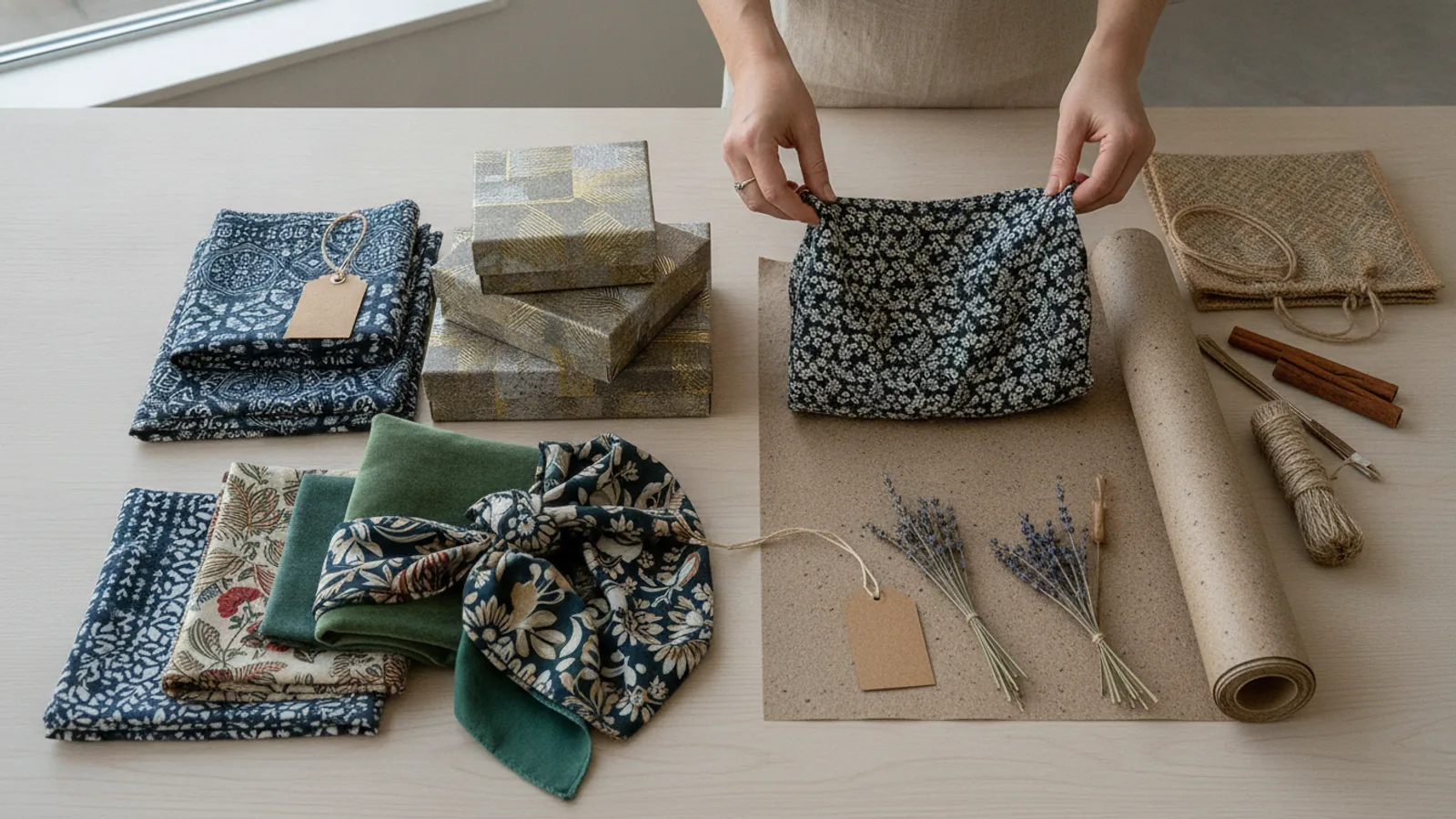
Curate a collection of reusable wraps that aligns with your personal style and suits the variety of occasions you celebrate. First, gather all the potential wrapping materials you are considering. Spread them out together to see how their colors, patterns, and textures interact. Consider your primary gift-giving events—birthdays, holidays, anniversaries, or casual thank-yous. Separate the materials into piles that you feel are appropriate for each type of occasion. For example, a bright, playful pattern might be perfect for a child's birthday, while a solid-colored linen or silk wrap may feel more elegant for a wedding or formal event. The essential check is to ensure your final selection includes a mix of neutral, versatile options and a few special, occasion-specific ones. Look at your collection and ask, "Do I have something that would work for almost any situation?" This step is important for building a practical and satisfying collection. If all your wraps are highly specific to one holiday, you will be unable to use them year-round, limiting their value.
Examine Storage Requirements and Compactness
Determine the real-world storage footprint of each reusable wrapping option to ensure it fits within your available space. After you are finished examining a material, prepare it for storage as you would after use. For fabric wraps, try both folding them into neat squares and rolling them tightly. For reusable bags, fold them flat. For rigid gift boxes, nest the smaller ones inside the larger ones if possible. The goal is to get each item into its most compact and organized state. Once they are prepared, group similar items together and use a measuring tape to find the dimensions of the space this collection would occupy. The key check is to compare these measured dimensions against the actual closet, drawer, or bin where you intend to store them. Physically place the bundled items into the storage space to confirm they fit comfortably without being crushed or crammed. This practical check is critical to prevent your sustainable solution from becoming a new source of clutter, which would discourage its regular use.
Investigate the Material's End-of-Life Options
Investigate the full lifecycle of the material to understand what will happen to it once it is too worn to be used for gift wrapping. Your first step is to identify the exact composition of the material. Look for labels or product descriptions that specify if it is 100% cotton, linen, silk, polyester, or a blend. For natural, single-fiber materials like cotton or linen, research their biodegradability. Can they be composted at home or in a municipal facility? For synthetic materials like polyester or nylon, your focus will be on recyclability. Investigate local textile recycling programs to see if they accept such materials, as many are not easily recycled. The definitive check is to find clear, verifiable information about the material's end-of-life pathway. This means confirming that a local facility accepts it for composting or recycling, rather than just relying on a generic label from the manufacturer. This final step ensures your choice is truly environmentally responsible. A reusable wrap that cannot be properly disposed of at the end of its life simply delays waste rather than eliminating it.
Quick Reference
| Situation | Action | Why it helps |
|---|---|---|
| Wrapping an awkwardly shaped gift. | Use a larger, more flexible fabric wrap like a soft cotton or jersey, and employ a Furoshiki technique designed for irregular items, such as the 'bottle wrap' or 'four-tie wrap'. | These malleable materials and adaptable techniques conform easily to irregular shapes without tearing or creating the bulky, pointed corners that paper often produces. |
| The fabric wrap keeps slipping open. | Select a material with more natural texture, like linen or a cotton blend, and secure the knot firmly. For very slick fabrics, add a separate ribbon made of a grippier material. | Silky or synthetic fabrics have less surface friction and are more prone to loosening. A textured material or an additional tie provides the necessary grip for a secure hold. |
| The recipient is unfamiliar with reusable wrap. | Include a small, simple tag or card that explains the wrap is meant to be kept and reused. You can also mention it when you give them the gift, framing it as part of the present. | This educates the recipient on the purpose of the wrap, prevents it from being accidentally discarded, and encourages participation in the sustainable practice of reuse. |
Common Issues
- Fabric wrinkles easily after storage.: Roll materials neatly around a cardboard tube instead of folding them. For existing wrinkles, use a garment steamer or a low-heat iron, making sure to first check the fabric's care instructions.
- Colors fade or bleed after washing.: Always wash fabrics in cold water on a gentle cycle using a mild detergent. You can also use a color-catcher sheet during the first few washes to absorb any loose dye and prevent bleeding.
- Not having the right size for a large gift.: Combine two smaller wraps to create a larger one. You can either layer them for a decorative, two-toned effect or simply tie two corners from each piece together to form a single large sheet.
Advanced Tips
- Create a 'capsule collection' of wraps in complementary colors and patterns that can be mixed and matched for any occasion.
- Learn advanced Furoshiki techniques to wrap complex items or create decorative elements like handles or bows entirely from the fabric.
- Personalize plain fabric wraps using non-toxic fabric stamps or embroidery to create unique designs for special recipients.
Final Checklist
- Have I selected a variety of sizes to cover my most common gift-giving needs?
- Do the chosen materials have clear, simple care instructions that I can follow?
- Is my storage plan practical for keeping the wraps clean and ready for use?
- Have I considered both the durability for long-term use and the end-of-life options?
FAQ
What are the most beginner-friendly materials?
Medium-weight cotton or cotton-linen blends are excellent for beginners. They are not too slippery, hold knots well, are durable, easy to wash, and generally more affordable than materials like pure silk, making them very forgiving for practice.
How many reusable wraps do I actually need?
Start with a small set of three to five wraps in varying sizes. A common starter set includes one small, two medium, and one large wrap. This allows you to handle most common gift sizes without a large initial investment. You can add more as you see what you use most often.
Can I use things I already own as gift wrap?
Absolutely. Items like scarves, cloth napkins, tea towels, or even clean, attractive pieces of clothing can be repurposed as beautiful gift wrap. This is often the most sustainable option as it requires no new purchases. Just ensure the item is clean and appropriate for the recipient.