How To Choose Reusable Food Wraps For Different Leftovers
A practical step-by-step guide to how to choose reusable food wraps for different leftovers, including preparation, instructions, common issues, tips, and next steps.
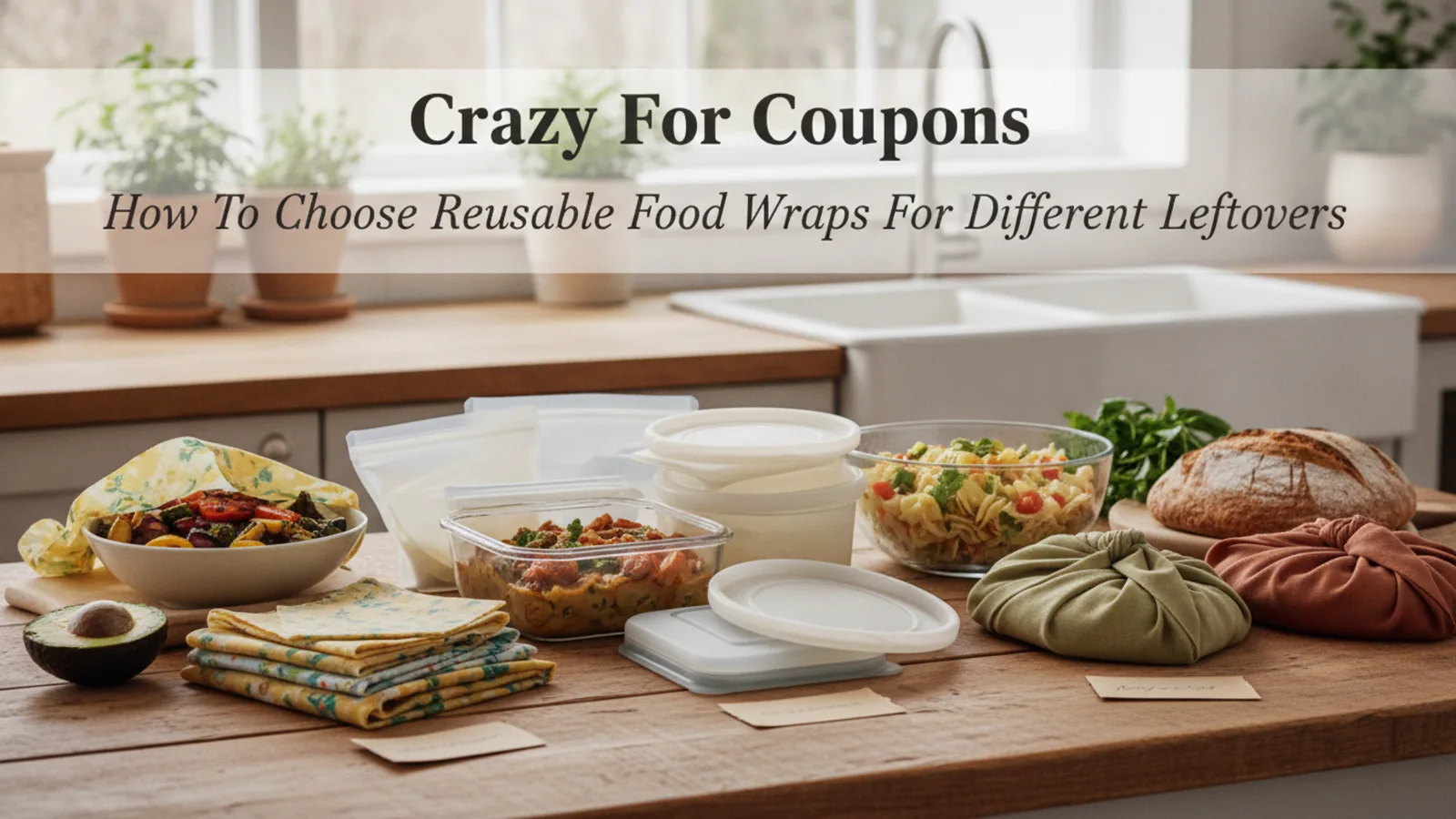
How To Choose Reusable Food Wraps For Different Leftovers
Choosing the right reusable food wraps transforms how you store leftovers, reducing waste and keeping food fresh. This guide helps you select the best wraps by evaluating material types, sizes, and sealing methods for different foods, from sandwiches and cut produce to bowls of soup. By understanding the properties of materials like beeswax-coated cotton, silicone, and plant-based alternatives, you can make an informed choice that fits your lifestyle and kitchen needs.
Fast Answer
- For solid items like sandwiches, cheese, or cut vegetables, choose beeswax or plant-based cloth wraps that mold with the heat of your hands.
- For liquids or wet foods in bowls, select stretchy silicone lids or pocket-style wraps that create an airtight seal to prevent spills and leaks.
Before You Start
- Inventory your common leftovers: note the types of food and containers you use most often.
- Measure the openings of your frequently used bowls, pans, and other storage containers.
- Decide on your cleaning preference: are you willing to hand-wash or do you need dishwasher-safe options?
- Clear a dedicated storage space, like a drawer or basket, for your new collection of reusable wraps.
Step-by-Step Instructions
Assess Your Common Leftover Types
Begin by analyzing the food you store most often. Make a mental or physical list over a week to identify patterns. Are you frequently wrapping half-cut fruits and vegetables like avocados, onions, or lemons? Do you need to cover bowls of salad, soup, or pasta? Or are you mainly packing sandwiches, cheese blocks, and baked goods? The physical properties of your leftovers will dictate the ideal wrap. For instance, irregularly shaped items like a bunch of herbs or a block of cheese benefit from a flexible, moldable wrap. Wet or liquid-based foods require a wrap that can form an airtight, leak-proof seal over a container. Create a checklist of your top five leftover types. A practical check is to review your list and categorize each item as 'solid and dry,' 'solid and moist,' or 'liquid/semi-liquid.' This simple categorization matters because it directly corresponds to the type of wrap material and sealing mechanism you'll need, preventing food spoilage from air exposure or messy spills in your refrigerator.
Understand the Key Material Properties
Next, familiarize yourself with the primary materials used in reusable wraps. The most common are beeswax-coated cotton, plant-based wax-coated cotton, and silicone. Beeswax wraps are pliable and self-adhering; the warmth from your hands softens the wax, allowing you to mold it around food or a container. They are breathable, which is excellent for cheese and bread, but not ideal for very wet items. Plant-based wraps offer a similar function for those avoiding animal products. Silicone wraps and lids are highly durable, stretchy, and non-porous, creating an airtight and watertight seal perfect for covering bowls and wet foods. They are also heat-resistant. To check your understanding, find a product description online and identify the primary material and its recommended uses. This check is important because selecting the wrong material can lead to frustration—a breathable wrap will fail to contain liquids, while a non-breathable one might make bread go soggy.
Match Wrap Size and Shape to Containers
Reusable wraps are not one-size-fits-all. Using a wrap that is too small will fail to create a secure seal, while one that is too large can be cumbersome. Refer to the list of your common containers you made during preparation. Measure the diameters of your most-used bowls and the dimensions of your typical casserole or baking dishes. Most reusable wraps come in multipacks with small, medium, and large sizes. Compare the product dimensions against your container measurements. Small wraps are ideal for covering jars, mugs, or wrapping fruit halves. Medium sizes work well for sandwiches or small bowls, while large ones are necessary for covering casserole dishes, large salads, or loaves of bread. As a practical check, choose a wrap that provides at least an inch of overhang on all sides of the container's rim. This overlap is crucial because it ensures you have enough material to press down firmly and create a complete, reliable seal that keeps air out and freshness in.
Evaluate Sealing and Cling Capabilities
The effectiveness of a reusable wrap hinges on its ability to seal properly. Different materials achieve this in different ways. Wax-based wraps rely on the slight tackiness of the wax and the pressure and warmth from your hands to create a seal against itself or the rim of a bowl. The cling is generally good but can weaken over time. Silicone lids, on the other hand, create a seal through suction and stretch. They are designed to be stretched over a container rim, and their smooth surface clings tightly to glass, ceramic, or metal. Some silicone wraps come in pocket or bag formats with a press-to-seal closure, similar to a plastic zip-top bag. Before purchasing, read reviews or product descriptions specifically mentioning sealing performance on different materials like glass, plastic, and ceramic. A good check is to press the center of a silicone lid after placing it on a bowl; a slight indent indicates a vacuum seal has formed. This matters because a poor seal allows air to enter, defeating the purpose of the wrap and accelerating food spoilage.
Consider Cleaning and Maintenance Needs
Your willingness to follow specific care instructions will influence your long-term satisfaction with reusable wraps. Beeswax and plant-based wraps require gentle care. They must be washed by hand in cool water with mild soap and then air-dried. Hot water will melt the wax coating, ruining the wrap. Silicone wraps, in contrast, are generally much more robust. Most can be washed with hot, soapy water in the sink or simply placed in the dishwasher, making them a more convenient option for busy households or for use with messier foods. Before you commit to a type of wrap, honestly assess your daily routine. Do you have the counter space to air-dry cloth wraps? Will you remember to use only cool water? A simple check is to read the full cleaning instructions provided by the manufacturer before you buy. This check is vital because improper cleaning can not only damage the wrap but also harbor bacteria, posing a food safety risk. Choosing a wrap that aligns with your cleaning habits ensures it will be used consistently and safely.
Test a Small Set Before Full Commitment
Instead of immediately purchasing a large, comprehensive set of one type of wrap, start with a small trial set. Many companies offer a starter pack that includes one or two wraps of different sizes and materials. This approach allows you to test them in your own kitchen with your actual leftovers and containers. Use them for a week or two and pay close attention to how they perform. Does the wax wrap cling well to your ceramic bowls? Is the silicone lid easy to stretch over your plastic containers? Does the cleaning process feel manageable or like a chore? This hands-on experience is the most reliable way to determine what works best for your specific needs. As a check, at the end of the trial period, ask yourself if you reached for the reusable wrap as readily as you would have for disposable plastic wrap. If the answer is yes, that's a good sign. This initial testing phase is important because it prevents you from investing in a full set of products that ultimately don't suit your lifestyle, saving you money and frustration.
Quick Reference
| Situation | Action | Why it helps |
|---|---|---|
| Storing half an avocado or lemon | Use a small, pliable wax-based wrap. Press it firmly against the cut surface to create a tight seal that minimizes air exposure. | The wrap's slight breathability and tight mold help prevent the cut surface from browning too quickly while protecting it from contaminants. |
| Covering a bowl of leftover soup | Select a stretchy silicone lid that is slightly smaller than the bowl's diameter. Stretch it over the rim to form an airtight, leak-proof vacuum seal. | Silicone is non-porous and creates a strong seal, which is essential for preventing liquids from spilling and absorbing other fridge odors. |
| Packing a sandwich for lunch to-go | Use a medium or large wax-based cloth wrap or a specially designed sandwich pocket. Fold the wrap tightly around the sandwich to keep ingredients secure. | The cloth material is flexible and keeps the bread from getting soggy, unlike some airtight containers, while still holding the sandwich together. |
Common Issues
- My wax wrap isn't sticky anymore.: Lay the wrap on a baking sheet lined with parchment paper and place it in a low-temperature oven for a few minutes until the wax melts and redistributes. Let it cool completely before using.
- The silicone lid keeps slipping off.: Ensure both the rim of the container and the silicone lid are completely dry. Any moisture, grease, or food residue on either surface will prevent the silicone from gripping properly.
- My wraps have absorbed a strong odor.: For wax wraps, air them out in a well-ventilated area. For silicone, you can boil it in water for five minutes, soak it in a baking soda and water solution, or bake it at a low temperature to release trapped odors.
Advanced Tips
- Use wax wraps to create a temporary funnel for transferring dry goods or as a makeshift piping bag for frosting in a pinch.
- Layer two smaller silicone lids on an oversized platter or rectangular dish to create a complete seal when one isn't large enough.
- Create your own custom-sized wraps by purchasing rolls of wax-coated fabric and cutting them with pinking shears to prevent the edges from fraying.
Final Checklist
- Confirm the wrap material is appropriate for your most common leftovers.
- Verify the wrap sizes match the dimensions of your primary bowls and dishes.
- Ensure the required cleaning method aligns with your daily routine and kitchen setup.
- Check if the wrap is suitable for freezer or microwave use if you need those features.
FAQ
How long do reusable food wraps last?
The lifespan depends on the material and how well you care for them. Wax-based wraps typically last about a year with regular use, after which they can often be composted or rewaxed. High-quality silicone wraps and lids can last for several years or longer, as they are very durable and resistant to tearing.
Can I use reusable wraps in the microwave or freezer?
Most silicone wraps are safe for use in the microwave, freezer, and even the oven up to a certain temperature; always check the specific product's guidelines. Wax-based wraps should never be used in the microwave or oven as the wax will melt. They are generally safe for short-term freezer use for a few weeks.
Are reusable wraps truly better for the environment?
Yes, when used consistently over their full lifespan, reusable wraps significantly reduce single-use plastic waste. While they require resources to produce, their long-term use displaces the need for hundreds of pieces of disposable plastic wrap or bags, resulting in a net positive environmental impact. At the end of their life, many natural wraps are also compostable.