How To Build A Household Replacement List Before Shopping
A practical step-by-step guide to how to build a household replacement list before shopping, including preparation, instructions, common issues, tips, and next steps.
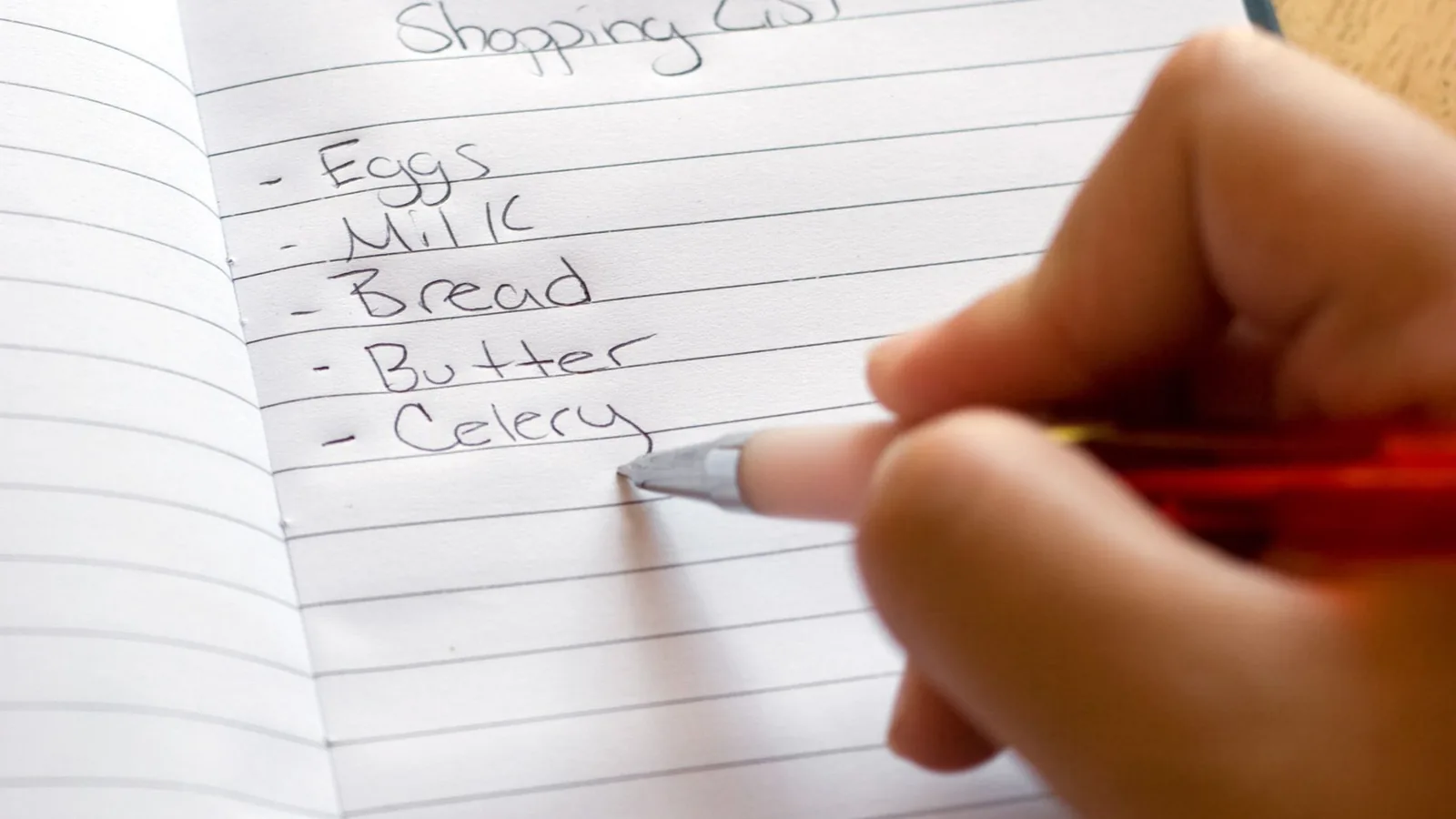
How To Build A Household Replacement List Before Shopping
Creating a household replacement list before you shop is an essential practice for saving time, reducing stress, and managing your budget effectively. This guide provides a systematic approach to inventorying your home, organizing your needs, and planning purchases to avoid impulse buys and forgotten essentials.
Fast Answer
- Walk through your home room-by-room, checking kitchens, bathrooms, and closets for low-stock items and add them to a central list.
- Categorize your final list by store aisle (e.g., produce, dairy, cleaning) to make your shopping trip faster and more efficient.
Before You Start
- Choose your list-making tool, whether it's a dedicated app, a shared digital note, or a simple magnetic notepad for the fridge.
- Designate a central, visible location for your list where all household members can easily add items as they are noticed.
- Schedule 20-30 minutes of uninterrupted time for a thorough walk-through of your home to take a complete inventory.
- Briefly review your household budget to set a general spending goal for the upcoming shopping trip before you finalize the list.
Step-by-Step Instructions
Conduct a Thorough Kitchen Inventory
Your first action is to methodically inspect every food storage area in your kitchen, which is where the most frequently used consumables are kept. Follow a sensible order by beginning with your pantry and cupboards for non-perishable items. Examine your stock of grains, pastas, canned goods, spices, and baking supplies, noting anything that is empty or running low. Next, move to the refrigerator to evaluate produce, dairy products, condiments, and beverages. Finally, open the freezer to check on frozen meats, vegetables, and prepared meals. For your practical check, physically move the items at the front of each shelf to see what is hidden behind them. This simple verification matters because it is the most effective way to prevent purchasing duplicates of items you already own but that have been pushed to the back, saving you money and reducing clutter.
Assess Bathroom and Cleaning Supplies
Now, shift your focus to personal care and cleaning products, which are often forgotten until they run out. Your primary action here is to check all bathrooms and laundry areas. The best order is to start with the medicine cabinet, looking at toothpaste, soap, shampoo, and first-aid supplies. Then, inspect under sinks for toiletries and hair care products. Finally, check your linen closet or utility area for cleaning sprays, detergents, sponges, and paper products like toilet paper and paper towels. Your practical check is to physically handle containers; shake bottles and squeeze tubes to accurately gauge how much product is left inside. This check is important because many containers can look full when they are nearly empty, and this tactile confirmation ensures you won't unexpectedly run out of a daily essential when you need it most, preventing inconvenient last-minute store runs.
Review General Household Essentials
Expand your inventory to include general items that are not specific to the kitchen or bathroom but are crucial for a well-functioning home. The main action is to inspect common storage spots like utility closets, drawers, and your home office area. A logical order is to first check all lighting fixtures for any burnt-out bulbs and then note the sizes needed. After that, test any battery-operated devices you use frequently, such as remote controls or smoke detectors, and assess your supply of spare batteries. Finally, look over your office supplies, including printer paper, ink, pens, and postage. The practical check involves visually inspecting your stockpile of these items to see if it is depleted. This check matters because these supplies are classic 'out of sight, out of mind' products that are often forgotten until the moment they are urgently required, causing significant inconvenience.
Organize Your Findings into a Master List
Once you have gathered notes from all areas of your home, your next action is to consolidate everything into a single, organized master list. Dumping everything onto one page is a good start, but for true efficiency, you must categorize it. The best order for this is to group items based on where they are located in a typical store. Create clear categories such as 'Produce,' 'Meat & Dairy,' 'Pantry & Dry Goods,' 'Frozen Foods,' 'Cleaning Supplies,' and 'Personal Care.' Your practical check is to read through the newly categorized list one time from top to bottom. This review helps you spot any items you may have placed in the wrong section or notice if you forgot something entirely. This check is crucial because a well-organized list transforms your shopping trip from a chaotic search into a streamlined path through the store, saving you significant time and preventing you from backtracking.
Plan for Meals and Future Events
A great list looks beyond just replacing what's empty; it anticipates future needs. Your action here is to plan your household's meals for the next week and add the required ingredients to your shopping list. A sensible order is to first plan dinners, as they are often the most complex meals. Then, plan for lunches, breakfasts, and any necessary snacks. After creating your meal plan, perform a practical check by cross-referencing the ingredient list for your planned recipes against your current pantry inventory. This check is essential because it stops you from buying ingredients you already have on hand, which directly reduces food waste and lowers your grocery bill. Proactive meal planning is one of the most effective strategies to avoid the stress and expense of last-minute takeout orders and ensures you have everything you need for the week ahead.
Perform a Final List Review and Budget Check
Before you leave for the store, the final action is to conduct one last comprehensive review of your completed list. This step ensures accuracy and alignment with your household goals. A good order for the review is to first scan for any obviously forgotten critical items, like milk or bread. Second, if you are working with a strict budget, mentally estimate the cost of the items. Third, distinguish between essential 'needs' and optional 'wants' you may have added. The most important practical check is to ask another member of your household to take a quick look at the list. This check is valuable because a fresh pair of eyes can often spot an omission or error that you've overlooked after spending so much time creating it. This final review prevents the frustration of a forgotten item, saves you from a second trip to the store, and helps you remain accountable to your financial plans.
Quick Reference
| Situation | Action | Why it helps |
|---|---|---|
| An item runs out mid-week. | Add it to your central shopping list immediately. Do not rely on your memory to recall it later during your inventory check. | This captures the need at the moment of discovery, ensuring that essential items are not forgotten when it's time to shop. |
| You're at the store and unsure if you have an item. | Before leaving home, take a quick, clear photo of the inside of your refrigerator and pantry shelves with your phone. | This provides a visual confirmation that you can access at the store, preventing you from buying duplicates or skipping an item you truly need. |
| The completed list seems too long and expensive. | Divide the list into 'must-buy this trip' and 'can-wait for next time.' Focus only on purchasing the absolute essentials. | Prioritizing helps you stay within your immediate budget and reduces the stress of a massive shopping trip, making the process more manageable. |
Common Issues
- Constantly forgetting non-food items.: Create permanent, separate sections on your list template for 'Household,' 'Personal Care,' and 'Pets.' This forces you to consider these categories every time you build your list.
- Buying duplicates of pantry staples.: Organize your pantry with clear bins or tiered shelving so you can see your inventory at a glance. Make it a rule to physically check the shelf before adding a staple like rice or flour to your list.
- Impulse buying items not on the list.: Commit to the list as your definitive guide. Have a snack before you go to the store, as shopping while hungry is a known trigger for unplanned purchases, especially for snack foods and sweets.
Advanced Tips
- Use a shared notes app for your list. This allows anyone in the household to add an item the moment they notice it's running low.
- Maintain a 'master inventory' spreadsheet of long-lasting household items. Review it monthly to restock things like cleaning supplies or paper goods.
- After each shopping trip, take five minutes to review your receipt against your list. This helps you track spending habits and spot price increases.
Final Checklist
- Have you physically inspected the kitchen, bathrooms, and utility areas?
- Is your final shopping list organized by store section or item type?
- Does your list include all necessary ingredients for this week's meal plan?
- Has a second person in the household given the list a final quick review?
FAQ
How often should I create a list like this?
A comprehensive, whole-house inventory is best done once a month to catch slow-moving items. For groceries and daily essentials, a quick kitchen and bathroom check once a week before you shop is usually sufficient to keep your home well-stocked.
What is the best way to make a list: paper or digital?
The best method is whichever one you will use most consistently. A magnetic notepad on the refrigerator is great for its visibility and ease of use. A shared notes app on a smartphone is ideal for couples or families who need to collaborate on the list from different places.
How can a list actually help me stick to a budget?
A list defines the boundaries of your shopping trip. By committing to purchase only what is written down, you eliminate most impulse buys, which are a primary source of budget overruns. It gives every purchase a purpose and prevents mindless spending as you walk the aisles.